

Redmond Web Design & Development

Telling your Brand Story Since 2009.

Redmond Web Design & Development2023-11-03T19:23:16+00:00
hover to scroll

Does your Redmond Website Design Help Build Credibility?

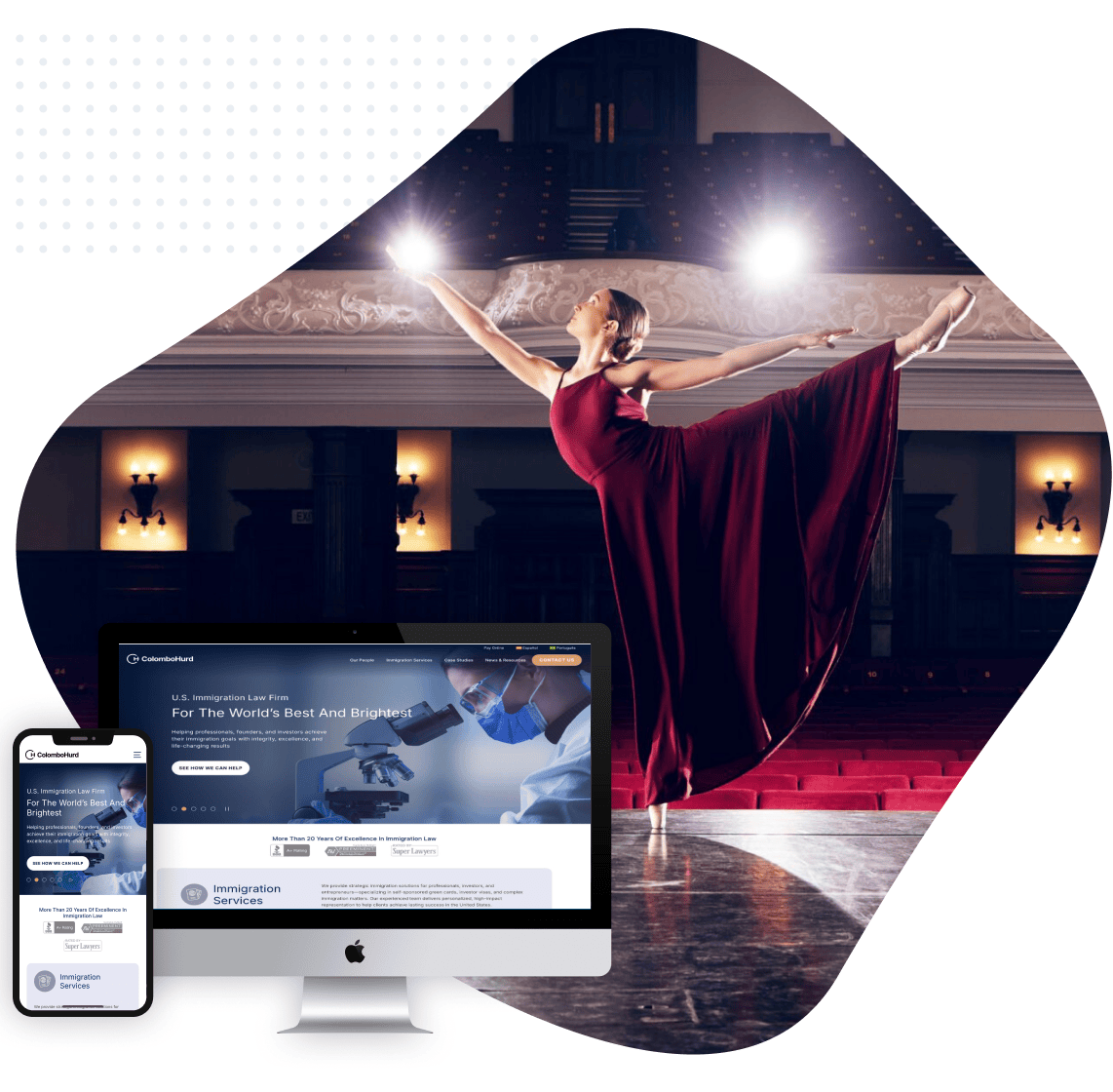
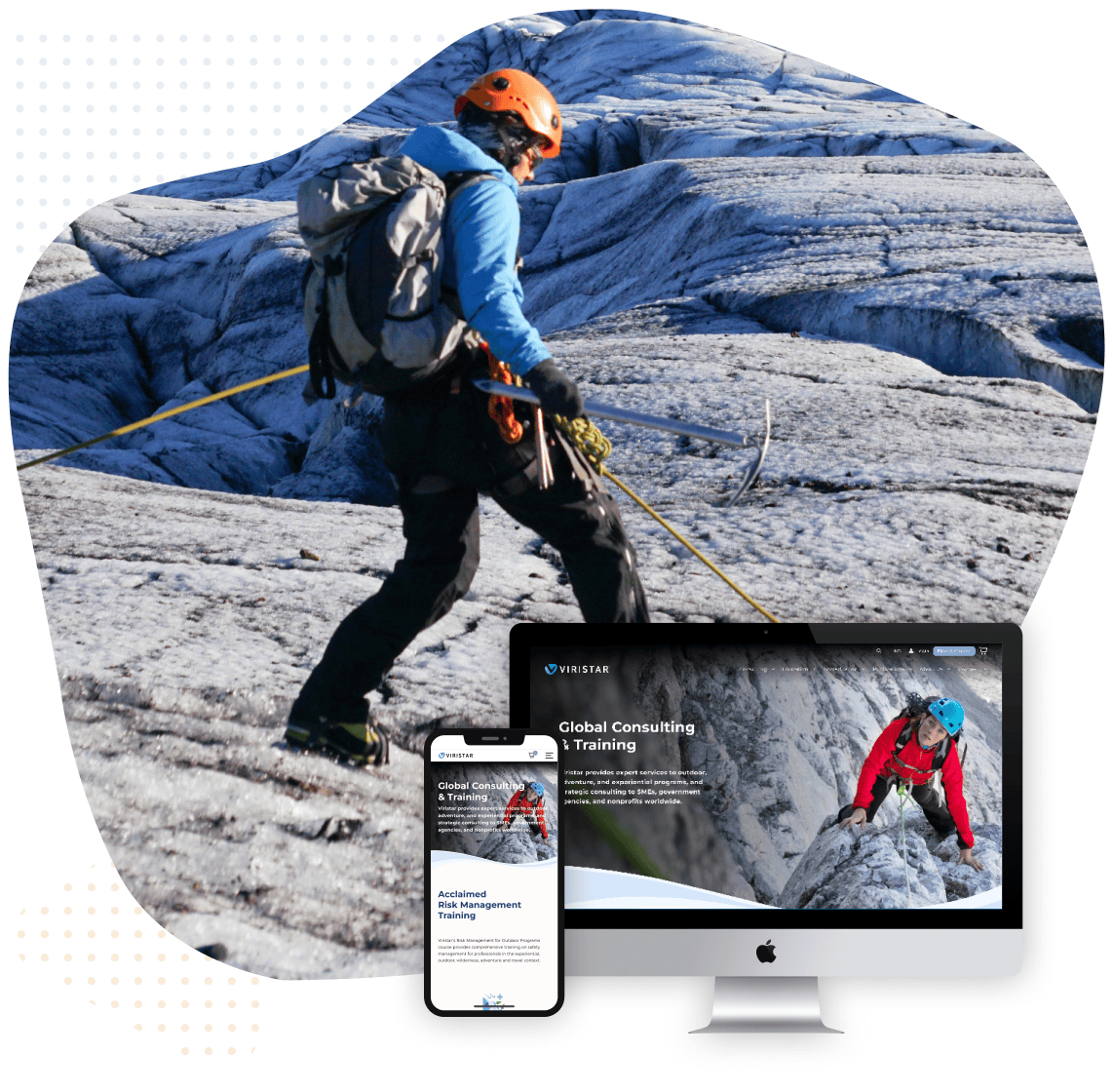
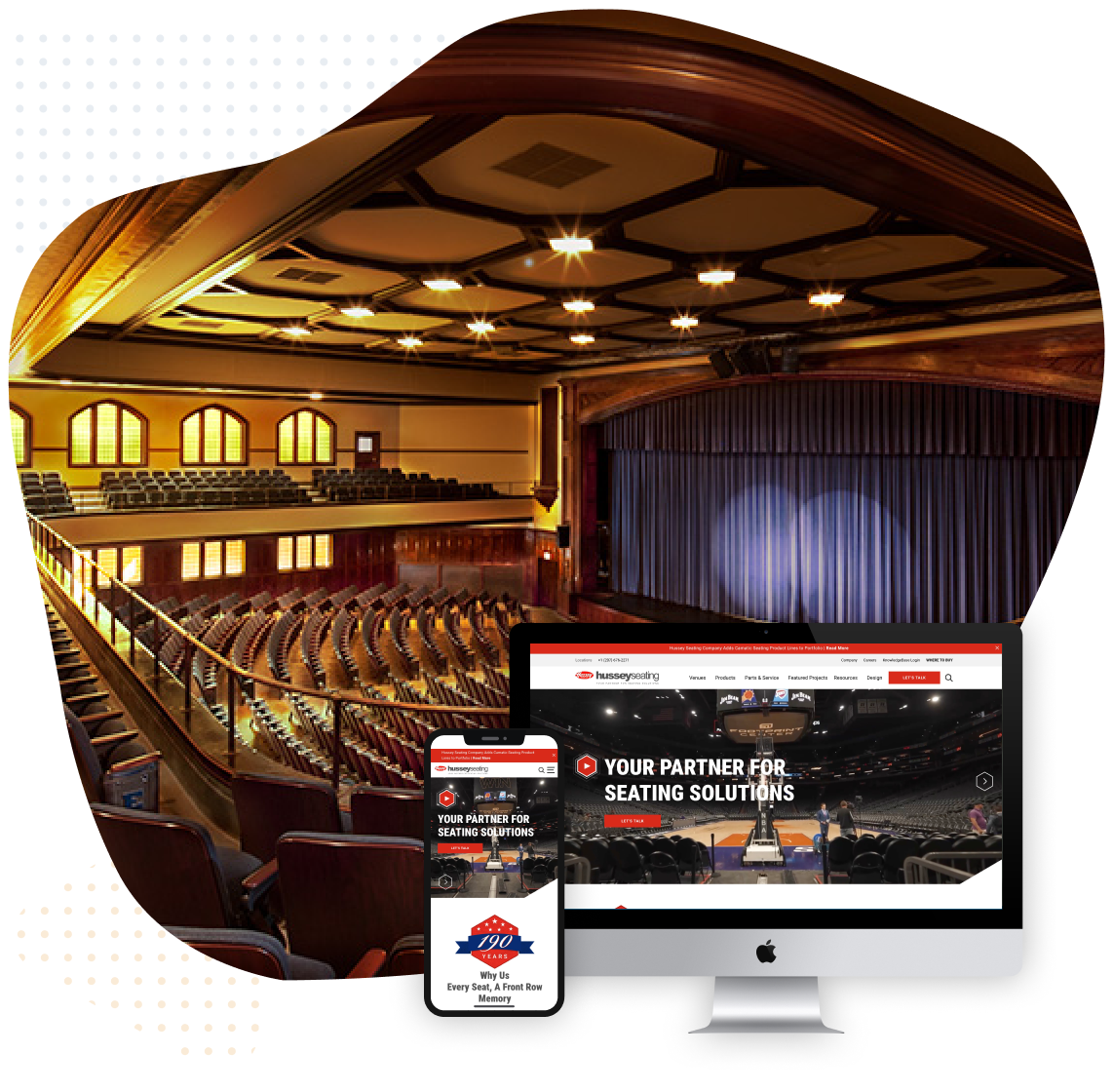
Sayenko Design is a boutique Redmond web design agency. We are proud to make our mark on the eastside since 2009. We’ve had the privilege of working with some of the most forward-thinking companies in all of Redmond.


Mike Sayenko Professional Web Design

Modern Websites, Crafted in Redmond

Sayenko Design provides custom web design to clients in Redmond, Washington. With the help of our 8-man team of professionals and comprehensive process, Sayenko Design will bring your website ideas to life. Our team works with clients all over western Washington, including right here in Redmond. Our knowledge of local businesses makes us the perfect choice for regional clients. Our goal is to deliver affordable yet premium level service backed by years of experience and our commitment to excellence. That’s why we have over 170 perfect 5-star ratings from local claimants – a stamp of approval you can trust.

Robust process

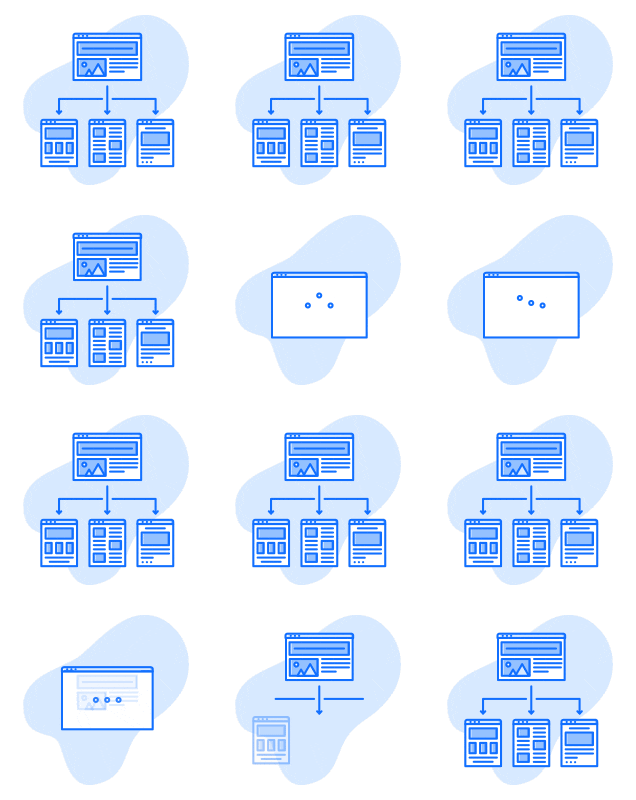
We follow a schedule starting with the client consult and ending on delivery. Every step is carefully mapped out to ensure clients get the best results possible on their projects without missing any deadlines

Typical Project Includes

Our team is here to help you at each step of the way, from taking you through our discovery process to introducing our team and providing comprehensive client reviews. When it comes to your Redmond business website, Sayenko Design will provide a professional blueprint suited to your needs and make sure that it’s expertly executed.

See our Processes on web design, website strategy, and web development.
Web designs for Redmond

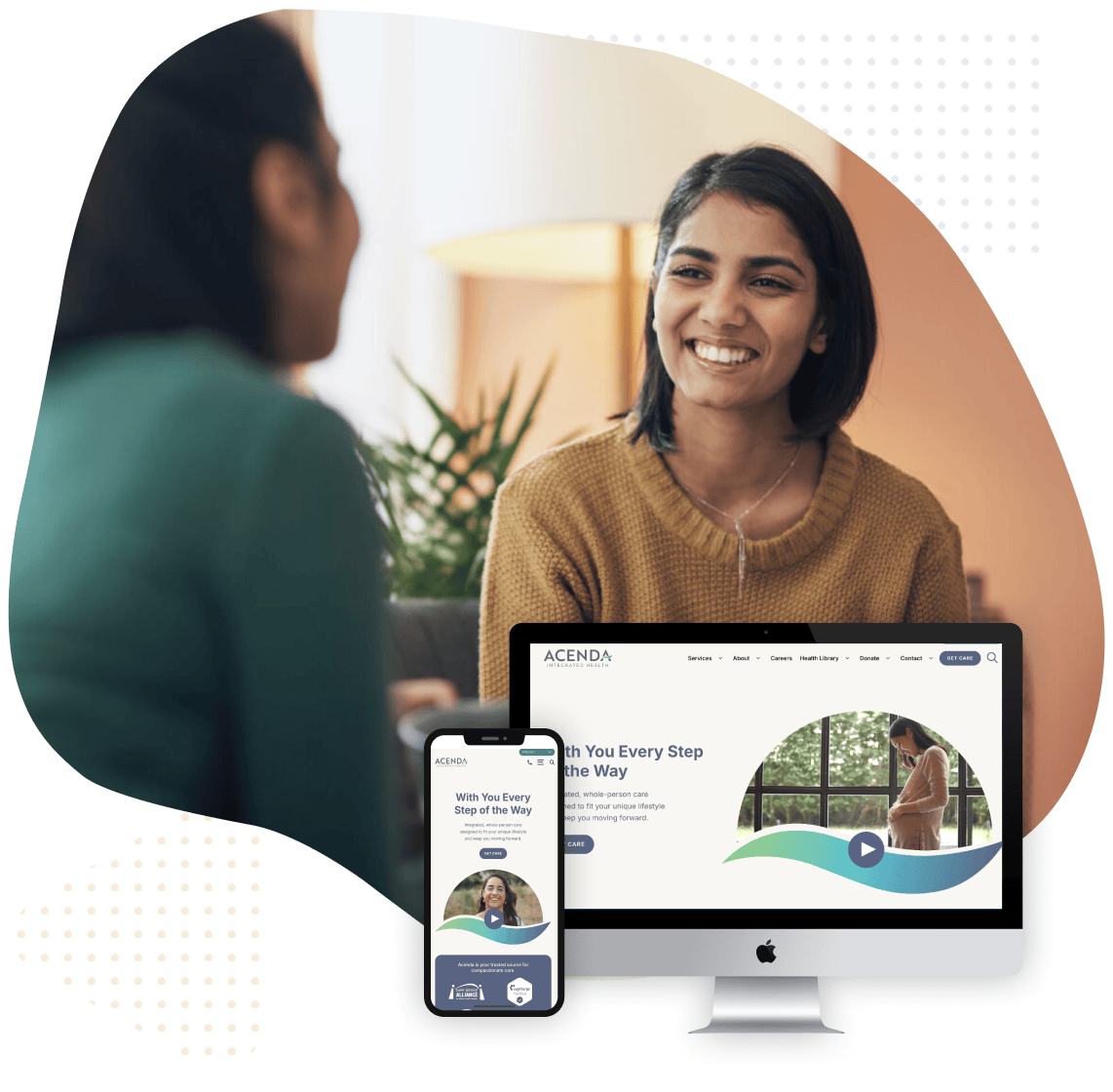
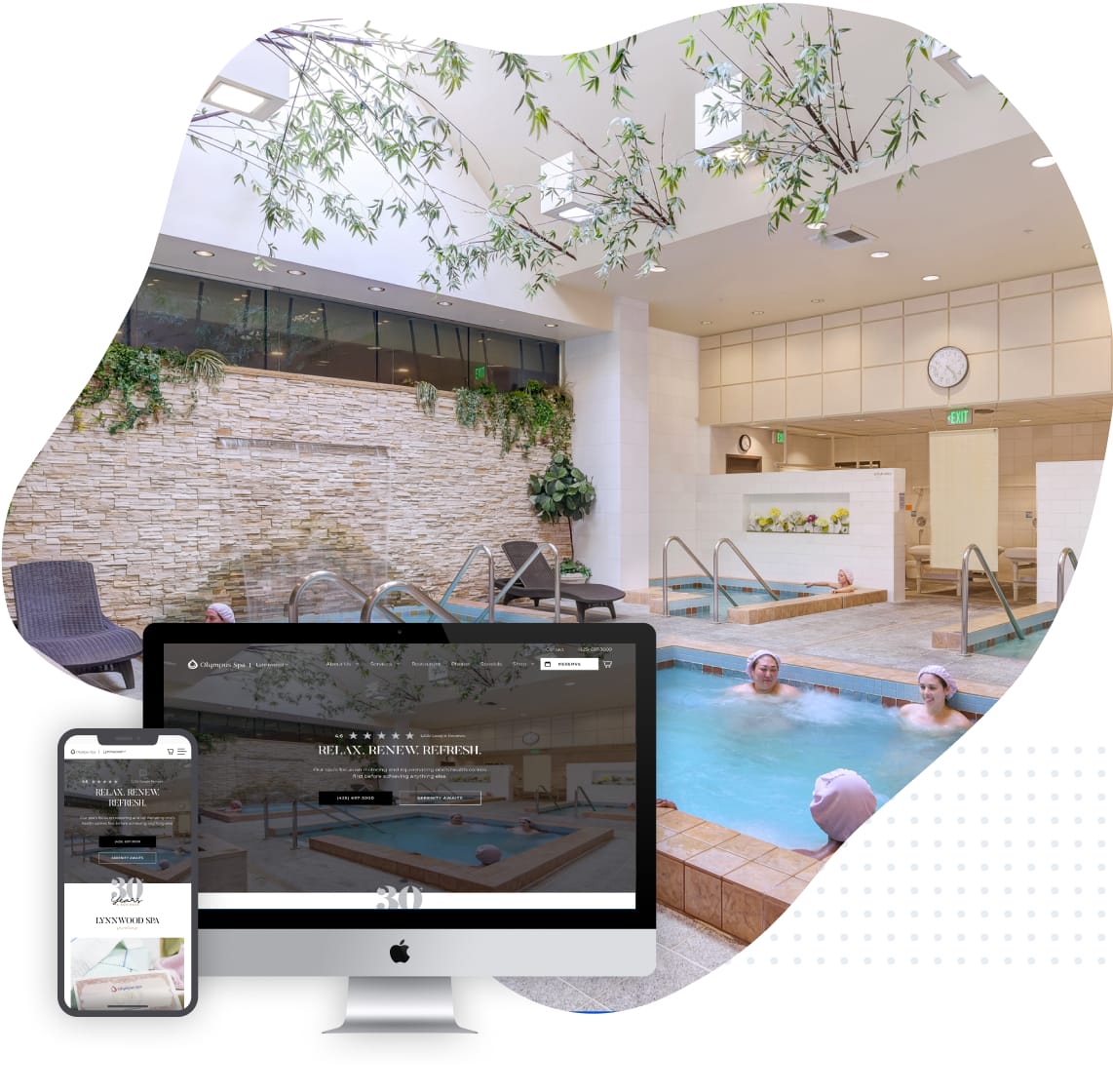
Redmond, Washington is home to some of the world’s leading high-tech and biomedical companies. Our team understands this market’s requirements and their competitive features, along with our numerous partners in this area that are devoted to ensuring quality output. We use powerful tech stacks such as HTML5, CSS3, Bootstrap, Javascript, jQuery, and many more. Our team consists of website designers with specialist expertise in creative visuals, graphics design, and animation that make us a multi-service provider.

Our services include customized themes, modern UI/UX designs with original features such as parallax scrolling effects and responsive layouts optimized for mobile devices. With a wide range of technology solutions at our disposal, we guarantee exclusive capture of your company’s uniqueness.
Our Clients

Brooks Logo
PNTA Logo
University of Washington Logo
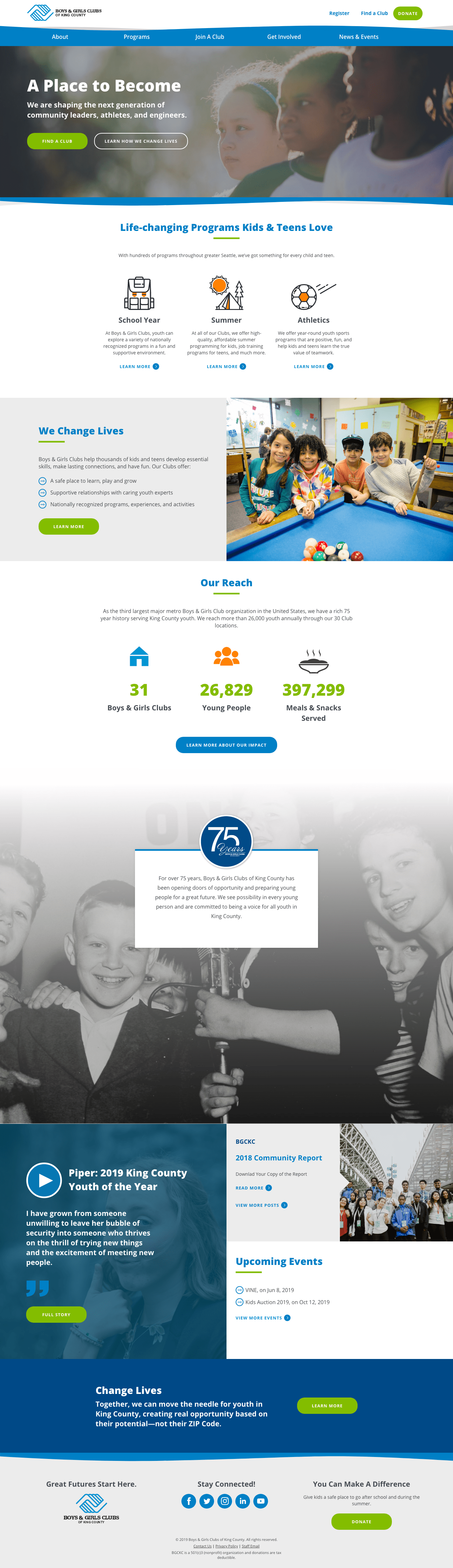
Boys & Girls Club Logo
Portrait Logo
Linkedin Logo
Liberty Mutual Logo
Raymark Plumbing Logo
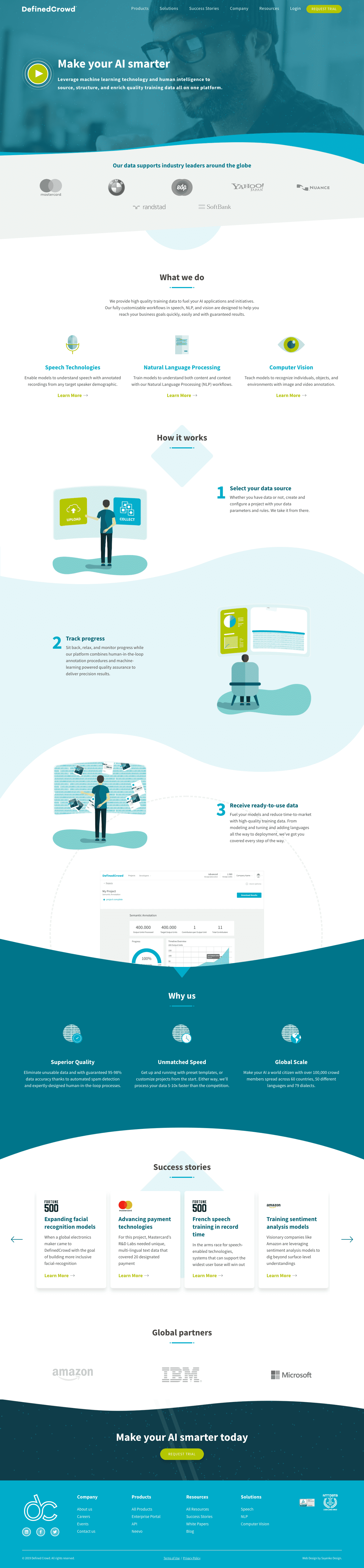
Defined Crowd Logo

Don’t let the first impression be the last impression!

A professional web design will boost results, add credibility and make your visitors happy. Happy visitors become loyal customers.

Have a Web Design Question?

How do I measure the success of a website redesign?2026-04-17T00:00:39+00:00

Measure success against your original goals. Set specific targets like “increase organic traffic by 30%,” “increase conversion rate from 1% to 1.5%,” or “generate 20 qualified leads per month.” Track metrics for 90 days after launch. Most sites see temporary ranking dips (3-7 days) then recover. If you’re not seeing improvement after 3 months, analyze what’s not working and make improvements. Compare year-over-year traffic, leads, and revenue 6-12 months after launch.

What content do I need to prepare for a website redesign?2026-04-17T00:00:13+00:00

Start preparing content 4-6 weeks before design begins. You need: homepage headline and copy, about page content, service or product page copy, pricing information if applicable, team bios, testimonials and case studies, FAQs, blog posts, images, videos, and any other content your new site will include. Better to start early than to have content delays hold up your design and development timeline.

How do I choose a web design agency for my redesign?2026-04-16T23:59:24+00:00

Look for an agency that specializes in your industry and understands your business type (B2B services, ecommerce, nonprofits, etc.). Review their portfolio and case studies. Ask about their process and timeline. Get clarity on pricing and what’s included. Ask about their approach to SEO, mobile design, and performance. Check client reviews. Get on a call and see if you can work together. The right agency saves you money and headaches.

What is the difference between a website redesign and a website refresh?2026-04-16T23:58:58+00:00

A website refresh is a minor update to your existing website: new colors, updated fonts, refreshed imagery, slightly improved layout. A redesign is more extensive: new information architecture, rebuilt website structure, reimagined user experience, rebuilt in a different CMS, major content updates. A refresh might take 4-6 weeks and cost $5,000-$10,000. A redesign typically takes 3-6 months and costs $15,000 or more. Choose redesign if your current structure isn’t working. Choose refresh if your structure is fine but your design is dated.

Will a website redesign hurt my SEO rankings?2026-04-16T23:58:27+00:00

A well-planned redesign shouldn’t hurt your rankings, but a poorly planned one will devastate them. To protect SEO: set up 301 redirects from old URLs to new ones, preserve your content (don’t delete pages), maintain your keyword targeting strategy, implement proper on-page SEO elements, keep your site structure logical, don’t change domain names unless necessary, submit your new sitemap to Google Search Console. Work with an SEO professional to ensure your redesign protects your rankings.

How do I know if my website needs a redesign?2026-04-16T23:57:46+00:00

Signs your site needs a redesign: poor user experience or slow load times, declining traffic or conversions, outdated design, your site doesn’t work well on mobile, your messaging doesn’t match your current positioning, your site doesn’t reflect your brand, competitors’ sites are significantly better, you’ve added new services that don’t fit your current structure, or your site can’t support new functionality you need.

What should be included in a website redesign checklist?2026-04-16T23:57:10+00:00

Your website redesign checklist should cover six phases: pre-redesign audit, strategy and planning, design phase, development phase, launch, and post-launch. Each section has 5-10 specific items to complete. Use the comprehensive checklist in this article as your starting point, then customize for your specific project.

How much does a website redesign cost?2026-04-16T23:56:40+00:00

Website redesign costs range from $5,000 to $150,000+ depending on complexity. Simple redesigns cost $5,000-$15,000. Mid-size business redesigns cost $15,000-$50,000. Complex or ecommerce redesigns cost $50,000+. Budget includes design, development, content creation, project management, and testing. See our detailed guide to website redesign costs for pricing by project type.

How long does a website redesign take?2026-04-16T23:56:00+00:00

Simple redesigns (5-10 pages) take 8-10 weeks. Mid-size redesigns (10-20 pages) typically take 12-16 weeks. Complex or ecommerce redesigns take 16-24 weeks or longer. Timeline depends on your website size, complexity, decision-making speed, and content availability. Always add buffer time for unexpected delays.

What is a website redesign project plan?2026-04-16T23:54:18+00:00

A website redesign project plan is a detailed roadmap for completely rebuilding or significantly updating your website. It includes strategy, design, development, content, timeline, budget, and processes for keeping your team aligned. A good plan prevents costly mistakes, protects your SEO rankings, and ensures your redesigned site actually accomplishes your business goals.

Will my AI-built site look like other AI-built sites?2026-04-16T22:40:19+00:00

Possibly. Many sites on the same platform have similar structures. A good AI builder customizes enough that your site looks unique. Professional design guarantees uniqueness. If standing out matters to your business, that’s worth considering.

Can I use an AI builder for e-commerce?2026-04-16T22:39:50+00:00

Yes, platforms like Wix and Squarespace have e-commerce features. They work well for small stores. For larger e-commerce or complex product catalogs, professional design usually outperforms because you have more flexibility.

Should I learn to use an AI builder myself or hire someone?2026-04-16T22:39:29+00:00

If you want to save money and have time to learn, use it yourself. If you have a business to run, hire someone to build it. There’s no shame in outsourcing this work. Your time is probably worth more than the cost difference.

What’s the biggest disadvantage of AI website builders?2026-04-16T22:38:21+00:00

Customization limitations and scalability. You can’t do custom features, you can’t integrate with all the tools you want, and if you grow beyond the platform’s capabilities, you have to rebuild. That’s a painful lesson many businesses learn.

Is it cheaper to DIY with an AI builder or hire a designer?2026-04-16T22:37:25+00:00

Short-term, AI builder is cheaper. Long-term, professional design is usually better value because you avoid growing pains and don’t have to rebuild later. But if money is tight, start with the AI builder and upgrade when you can.

What if I’m not technical? Can I still use an AI builder?2026-04-16T22:36:54+00:00

Yes, that’s actually AI builders’ strongest use case. They’re designed for non-technical people. You can build and maintain a site without coding or design skills. Professional designers handle the technical work for you, so you don’t have to.

Will my site rank better with professional design?2026-04-16T22:36:28+00:00

Probably, if the professional designer understands SEO. A template site can rank okay for local searches and easy keywords. A professionally designed site optimized for SEO will outrank it for competitive keywords. The difference is most noticeable for service businesses in competitive markets.

Can I switch from an AI builder to professional design later?2026-04-16T21:27:05+00:00

Yes, absolutely. Many businesses start with an AI builder to get online, then upgrade to professional design when they have revenue to invest. You might lose some content formatting in the transition, but the process is manageable. Plan for it, and it’s not a problem.

What are common mistakes in writing a web design RFP?2026-04-13T23:29:08+00:00

The most common mistakes are being too vague about what you want, not including a budget range, setting unrealistic timelines, sending to too many agencies (making evaluation overwhelming), using the RFP just to price shop, not explaining how you’ll evaluate proposals, and forgetting to mention required integrations with other business systems.

Do I need a web design RFP if I already have an agency in mind?2026-04-13T23:28:09+00:00

Even if you have a preferred agency, an RFP can be useful. It forces you to clarify your goals and requirements internally. Sending it to 2-3 other qualified agencies gives you a benchmark for pricing and shows you what else is possible. It also demonstrates due diligence to stakeholders or leadership who need to approve the project.

Where can I download a free request for proposal template for web design?2026-04-13T23:27:26+00:00

Sayenko Design offers a free website design request for proposal template that includes all the sections covered in this guide, with sample language and real examples. The template is a customizable Word document that works for any website platform or project type. You can download it and have your RFP ready to send within an hour.

What is a web design RFP?2026-04-13T23:24:19+00:00

A web design RFP is a formal document that introduces your company, describes your project, and asks agencies to submit a proposal for how they would handle it. It’s a professional way to gather information from multiple vendors so you can compare approaches, experience, and pricing fairly.

How do I know if an AI-designed website is good?2026-04-08T22:43:05+00:00

Look at whether it converts. Does it answer visitor questions? Can they find what they’re looking for? Is it fast? Does it rank in search results? These metrics matter more than whether it was designed by AI or a human. A slow, confusing website built by AI is worse than a fast, clear website built by anyone. A great website uses whatever tools work – human or artificial.

Should I upgrade my current website to use AI?2026-04-08T22:42:05+00:00

Not necessarily. Adding AI features makes sense if you’re already planning a redesign or if there’s a specific problem you’re trying to solve (like low conversion rates or SEO performance). Don’t upgrade just for the sake of using AI. Focus on whether new features will actually impact your business goals.

What AI web design tools should I know about?2026-04-08T22:37:34+00:00

For professionals: Figma, Webflow, Framer, and plugins in WordPress are where most of the AI innovation is happening. For DIYers: Wix, Squarespace, and Weebly all have AI builders now. For SEO and content: ChatGPT, Jasper, and specialized AI SEO tools. For analytics and optimization: Google Analytics, Semrush, and conversion rate optimization platforms with AI features.

Will AI web design make websites look the same?2026-04-08T22:29:53+00:00

Early AI tools had that problem. Modern AI is much better at generating variations and working with custom inputs. When a human designer is involved (which they should be), they customize the AI suggestions to make something unique. The problem isn’t AI-generated sameness. The problem is using AI without human direction.

How much faster can AI make the web design process?2026-04-08T22:29:10+00:00

It depends on the project. AI can cut design time by 20-40% and content creation time by 30-50%. Where you see the biggest savings is in repetitive tasks like basic copywriting, initial layout concepts, and technical SEO optimization. Strategic work – understanding your business, defining your positioning, deciding what actually matters to your customers still takes time.

Can I build a good website using AI website builders in 2026?2026-04-08T22:27:50+00:00

You can build a functional website, yes. Whether it’s “good” depends on your goals. If you just need an online presence, AI builders work fine. If you need your website to generate leads and compete with other businesses in your space, a professional designer will outperform an AI builder every time.

Is AI web design going to replace professional designers?2026-04-08T22:27:03+00:00

Not entirely. AI is great at speed, optimization, and handling repetitive work. But strategy, creativity, and business understanding are still human skills. The best websites are built by designers who use AI as a tool, not a replacement. Professional designers are actually becoming more valuable because they know how to use AI strategically.

How many agencies should I send a web design RFP to?2026-04-03T21:41:20+00:00

Three to five agencies is the sweet spot for most projects. Fewer than three limits your ability to compare approaches and pricing. More than five becomes difficult to manage — evaluating six or more detailed proposals is time-consuming, and agencies sometimes deprioritize RFPs sent to large distribution lists because the odds of winning are lower.

How do I evaluate responses to a website design RFP?2026-04-13T23:30:48+00:00

Evaluate RFP responses on four main criteria: relevant experience (have they built similar sites?), process and communication (how do they run projects?), technical fit (do they work with your preferred platform?), and proposal quality (did they read your RFP and respond to what you actually asked?). Create a simple scoring rubric, score each vendor on each criteria, and you’ll have a clear picture. Price should be a factor, but vendors who respond thoughtfully to your specific requirements are almost always better partners than the lowest bidder.

What is a request for proposal template?2026-04-03T21:40:12+00:00

A request for proposal (RFP) template is a pre-formatted document structure you can adapt for your specific project. A good website RFP template includes standard sections — company overview, project goals, technical requirements, timeline, and budget — so you don’t have to start from scratch. The downloadable template on this page covers all major sections for a website design or development project.

How long should a website RFP be?2026-04-03T21:38:07+00:00

A well-structured website RFP is typically 3–8 pages. Short enough that agencies can read it thoroughly and respond without investing disproportionate effort — long enough to give vendors a complete picture of the project. The goal is clarity, not exhaustiveness. An overly long RFP with vague requirements is worse than a focused two-pager with specific goals.

What is the difference between a web design RFP and a web development RFP?2026-04-03T21:37:33+00:00

A web design RFP focuses on visual, UX, and brand-related deliverables — layout, typography, user flow, and overall aesthetic direction. A web development RFP focuses on technical execution: CMS platform, integrations, custom functionality, performance requirements, and security. Many website projects require both, and the strongest RFPs for full website rebuilds address both design and development scope together. See the section above for a full breakdown.

What should a web design RFP include?2026-04-03T21:36:25+00:00

A web design RFP should include your company background, project goals and success metrics, target audience description, technical and functional requirements, content migration needs, budget range, timeline, and vendor evaluation criteria. The more specific your requirements, the more comparable and accurate the agency responses will be. At minimum, agencies need to understand the scope, the decision-making process, and how they’ll be evaluated.

What’s the difference between UI and UX design?2026-04-03T19:02:07+00:00

UI (user interface) design refers to the visual and interactive elements of a website, what it looks like, and how it’s arranged. UX (user experience) design refers to the overall experience of using a site, including how intuitive it is, how fast it loads, how clearly it communicates, and how easy it is to accomplish a goal. The best websites treat both as inseparable: visual design decisions and experience design decisions made in service of the same user outcomes. Sayenko Design is a Seattle-based WordPress web design company specializing in custom websites for small and mid-sized businesses. We’ve been building purposeful, high-performing websites since 2009. See our work: https://www.sayenkodesign.com/portfolio/

How can I tell if my website’s UX is hurting my conversions?2026-04-03T19:01:04+00:00

The most direct way to audit your website’s UX is through a combination of quantitative data (Google Analytics 4 funnel analysis, Core Web Vitals scores) and qualitative data (session recordings from tools like Microsoft Clarity or Hotjar). Watch recordings of users who bounced without converting, and you’ll almost always see specific moments of confusion, hesitation, or abandonment that point to fixable issues.

What is microcopy and why does it matter?2026-04-03T19:00:11+00:00

Microcopy is the small interface text on buttons, form labels, error messages, confirmations, and tooltips. It matters because it shapes how users feel about every interaction on your site. Clear, human microcopy reduces friction and builds trust; generic or confusing microcopy does the opposite. It’s also one of the only UX improvements that can be made without design or development resources.

Why does page speed matter for UX?2026-04-03T18:59:39+00:00

Page speed matters for UX because slow-loading websites create uncertainty and frustration that causes visitors to leave before engaging. Google’s research shows that every 100ms of additional load time reduces conversions by 1%. Core Web Vitals, the metrics Google uses to measure performance as a user experience, directly influence search rankings and on-site conversion behavior.

How many fields should a contact form have in 2026?2026-04-03T18:58:30+00:00

Research consistently shows that shorter forms convert better. For most business websites, a contact form with 3–5 fields (name, email, brief description of need, and one qualifying question) outperforms longer forms by a significant margin. Multi-step forms that reveal fields progressively can go deeper without the abandonment penalty of presenting everything at once.

How does AI personalization work for small business websites?2026-04-03T19:03:14+00:00

AI personalization for small business websites typically means dynamic content blocks that change based on referral source, geography, or visit history. Platforms like HubSpot and advanced WordPress setups make this achievable without enterprise budgets. The most practical starting point is serving different messaging or CTAs to visitors from different traffic sources.

What is the most important UI/UX trend for business websites in 2026?2026-04-03T19:03:26+00:00

The most impactful UI/UX trend for business websites in 2026 is the shift toward performance and clarity over visual complexity. Fast-loading, mobile-optimized sites with clear conversion paths outperform visually impressive but slower or harder-to-navigate alternatives on every metric that matters: conversion rate, time on site, and search rankings.

Which Industries Do You Typically Do Web Design For?2024-11-27T04:37:12+00:00

We have extensive experience providing top-rated web design services for various industries, including:

How many website pages do you typically custom design?2024-03-20T06:38:13+00:00

We design mission-critical website pages, typically 4-12. The pages that are critical to the conversion point, moving the user down the marketing funnel from the awareness stage (Homepage, Blog, Resources), to interest (About Us, Services/ Products) to consideration (Case Studies/ Projects, Why Us?, Clients/ Reviews), interest/ evaluation (Contact Us), and purchase for ecommerce (Cart Checkout).

How do you make sure that the developers understand your designs and implement them correctly?2024-03-19T07:11:08+00:00

We always have a design to development hand-off meeting and include the client once the mockups are all approved. This way everyone is on the same page. Also early on in the process from the initial design concepts we work closely with our WordPress developers to stay aligned and on track from design to function.

Do you outsource any of your work?2019-11-01T23:53:46+00:00

No, our team is fully in-house. We consider ourselves a high touch, high-quality boutique agency that has a small team of professionals. Each team member has 8+ years of experience.

How many round of edits are typically included for website wireframes and mockup?2024-03-20T06:27:44+00:00

You get one round of edits in the wireframes (phase 1) and two rounds in the mockup phase.

Do you use WordPress templates?2023-02-17T19:48:51+00:00

No, we custom design your WordPress website based on competitor analysis, inspirational research, best practices for user experience, and trends. The design is presented before we start coding and building a custom WordPress theme.

What do you typically recommend for website photography?2024-03-20T06:35:50+00:00

We almost always recommend professional photography. We typically work with a photographer on providing photography direction – what to do and not do. Sort of a style guide. Usually a website ends up using a blend of professional and stock. We do recommend a few high quality paid stock libraries including a few free ones (with limited inventory).

Related Resources

Website design rfp template

User Experience Design Principles for Websites

There are websites for everything, from hobbies and personal journals to discussions and stores—but at the end of the day, the main reason for most websites’ existence is to drum up business leads or generate money. Read the full User Experience Design Principles for Websites article.
Website design rfp template

UI/ UX Web Design Process

Learn the Sayenko Design process to professional web design. See our full set of web agency processes.
Website design rfp template

Ready to craft your own RFP?

We’ve already done the heavy lifting for you with our handy Website Request for Proposal Template. It’s based off the lessons from this guide, and specific for website design projects. Simply download the RFP template, fill in the blanks with your own details, and save yourself the headache of starting from scratch. Read the full RFP for web design article.
Website design rfp template

How Much Does a Website Cost? (w Cost Calculator)

A full breakdown of website costs, and what you’ll get for the money at your budget. Learn from an experienced agency just how much a new site costs. Includes a website cost calculator!

Website design rfp template
Mike Sayenko

Partner with Us

Since 2009, the Seattle based Sayenko Design team has been creating custom sites built in WordPress. You only get experts from web strategists, designers to web developers, each team member has 8+ years of experience. How many firms can say that?

Mike Sayenko - Owner of SayenkoDesign.com

Partner with our HubSpot Team

Since 2009, the Seattle-based Sayenko Design team has been leveraging HubSpot to deliver top-notch results. Our experts each bring over 10 years of experience to the table. How many firms can say that?